It’s been nearly six years since we hit record on RebootED Episode 57: “Space Space and More Space” (July 2020). Back then, Dr. Mike Vollmert and I sat down with Dr. Bob Dillon to unpack what COVID-19 was doing to our physical and pedagogical classrooms overnight.
Schools weren’t just closing doors—they were being forced to question everything about space: desk rows vs. flexible zones, movement vs. social distancing, shared surfaces vs. sanitized isolation, ventilation nightmares, and the sudden pivot to screens as the primary “learning environment.”
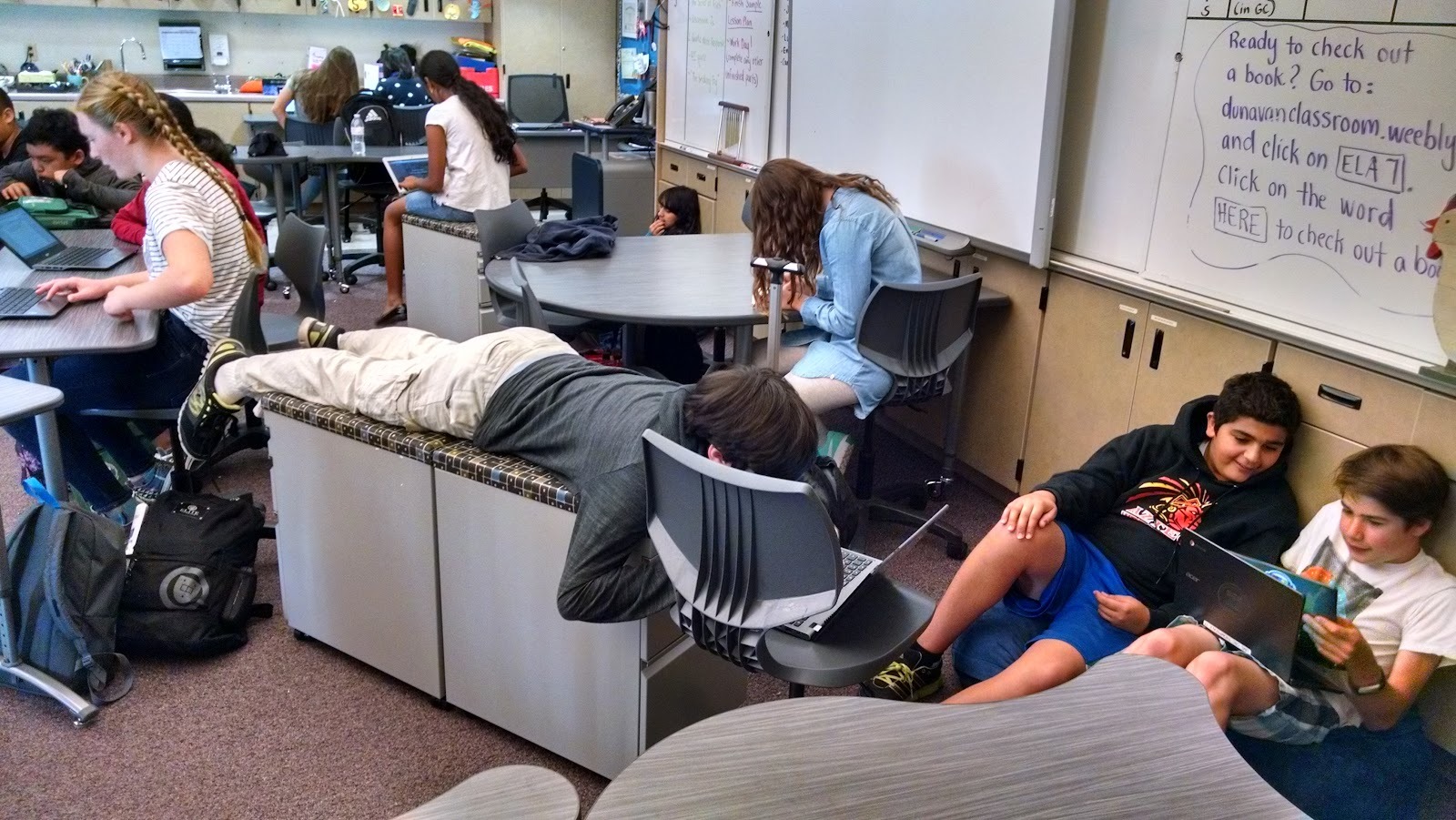
Dr. Dillon, co-author of The Space: A Guide to Designing Learning Environments, brought his signature clarity: intentional design matters. Spaces should empower student agency, choice, collaboration, and deeper learning—not just compliance or crowd control. Yet in mid-2020, we were in survival mode: taped-off floors, one-way hallways, plexiglass barriers, and hybrid setups that often felt more like compromise than innovation.
Fast-forward to March 2026.
AI tutors are personalizing content at scale. Virtual environments (VR/AR workspaces, AI-driven simulations) are no longer sci-fi. Hybrid and remote options are normalized in many districts. And yet… many of our physical buildings still look remarkably like 2019, with the same rigid layouts quietly undermining the flexible, student-centered futures we claim to want.
What if the biggest lesson from that 2020 conversation isn’t about surviving a pandemic, but about designing for perpetual adaptability?
Here are three truths that episode highlighted—and that feel even more urgent today:
- Space shapes pedagogy more than we admit. When desks are bolted or budgets prioritize “efficient” rows, we default to teacher-centered instruction—even if our mission statements call for personalization. AI can deliver individualized pathways, but if the room doesn’t allow students to move, collaborate, or self-select zones (quiet focus, group prototyping, maker tinkering), we’re still constraining the experience. Post-pandemic, we learned that airflow, acoustics, and natural light aren’t luxuries—they’re equity issues. The same applies now: healthy spaces with adjustable lighting for different learning activities, circulated outside fresh air and modular furniture that evolves with curriculum shifts.
- Constraints breed creativity (but only if we let them). 2020 forced rapid experimentation: outdoor classrooms, reconfigured libraries as learning hubs, hallways turned into collaboration pods. Some stuck; most quietly reverted. AI introduces new constraints—data privacy, digital divides, over-reliance on algorithms—but also new freedoms. The question isn’t “Will AI replace teachers?” but “How do we redesign spaces (physical + digital) so teachers and AI amplify each other?” Imagine AI handling rote practice while humans facilitate project-based zones, debate circles, or real-world problem-solving labs.
- Intentionality over inertia. Dr. Dillon’s core message: stop accepting default spaces. Audit your buildings like you audit curriculum. Ask: Does this layout support agency? Choice? Movement? Well-being? In 2026, add: Does it integrate AI tools equitably? Support blended workflows? Prepare students for fluid, tech-rich futures? Small shifts—movable walls, multi-use furniture, better Wi-Fi density, dedicated “creation corners”—compound into culture change.
As educators and leaders, we’re no longer in emergency mode. We have the hindsight of pandemic pivots and the foresight of AI acceleration. The real reboot isn’t waiting for the next crisis; it’s choosing to redesign intentionally now.
You can dust off the old episode (it’s still free on Archive.org). Dr. Dillon’s insights haven’t aged—they’ve matured. The spaces we build today will either limit or liberate the learning of tomorrow.
What’s one small (or bold) space change your school could make this spring to better align with the future you’re preparing students for? Drop it in the comments—I’m listening.
#EdTech #FutureOfLearning #AIinEducation #SchoolDesign #Leadership #K12Innovation
Dr. Andrew Schwab is a K-12 Superintendent, former Chief Technology Officer, and advocate for future-ready schools. He believes that education is the gateway to opportunity and that leadership must be human-centered and student-focused.
 There is no box
Leave a comment