K-12 Superintendent, reformed IT guy, educator, 1:1 evangelist, life long learner, father, husband, geek, ex self-propelled field artillery turret mechanic, GCT, CCTO, INFP
As some people may know, I was not a model student in high school. The Army saved me. I earned a GED and then, many years later, a doctorate, something I could never have imagined back then.
Along the way I’ve worked in a lot of different industries: the military, technology, agriculture, manufacturing, consulting, and then K-12 education, where I’ve been a tech director, a CTO, an associate superintendent, and a superintendent (twice).
The most rewarding job of them all was classroom teacher.
I started in education as a Computer Support Tech at Le Grand Union High School District and a few years later made the jump to CTE teacher, where I taught networking, computer systems, and programming, and mentored students through the MOUSE Squad program. That hands-on foundation shaped everything that came after.
This week I started doing something few senior education executives get to do. I’m going back to working directly with students and teachers.
I’ve joined the Santa Cruz County Office of Education as the Design and Innovation (Makerspace) Teacher on Special Assignment. The work is supporting makerspaces, teaching CTE concepts through hands-on making and design, and helping teachers and students explore engineering and architecture careers and pathways. We’re building a model Makerspace CTE program for the future.
I’ve always believed the hands-on work in the classroom is the foundation of public education. Now I get to spend my time on the work itself, building something concrete and relevant with teachers and students.
I feel fortunate to be in a position to make this choice at this point in my career. I’m returning to my why. Time to get to work.
It’s been nearly six years since we hit record on RebootED Episode 57: “Space Space and More Space” (July 2020). Back then, Dr. Mike Vollmert and I sat down with Dr. Bob Dillon to unpack what COVID-19 was doing to our physical and pedagogical classrooms overnight.
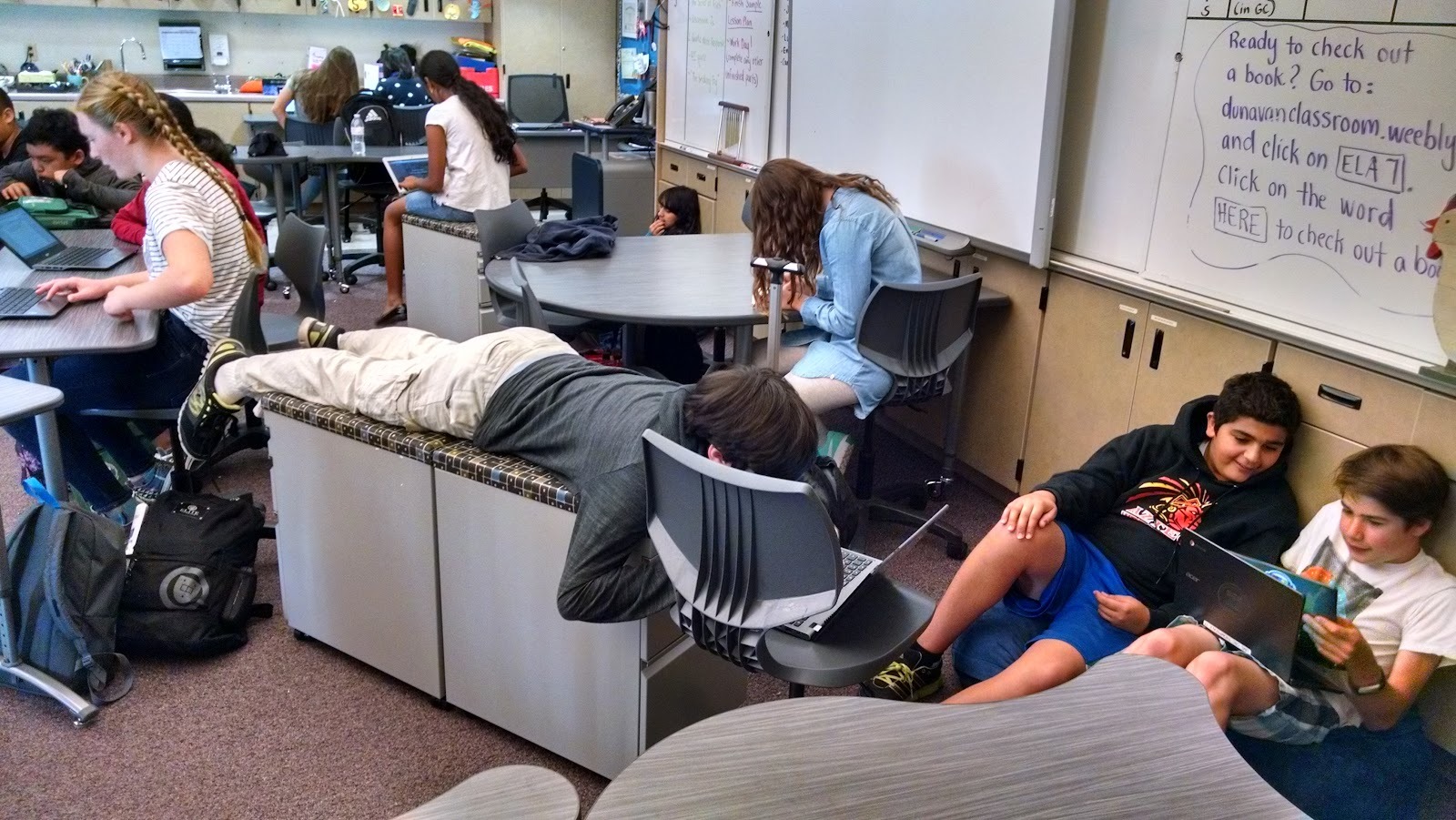
Schools weren’t just closing doors—they were being forced to question everything about space: desk rows vs. flexible zones, movement vs. social distancing, shared surfaces vs. sanitized isolation, ventilation nightmares, and the sudden pivot to screens as the primary “learning environment.”
Dr. Dillon, co-author of The Space: A Guide to Designing Learning Environments, brought his signature clarity: intentional design matters. Spaces should empower student agency, choice, collaboration, and deeper learning—not just compliance or crowd control. Yet in mid-2020, we were in survival mode: taped-off floors, one-way hallways, plexiglass barriers, and hybrid setups that often felt more like compromise than innovation.
Fast-forward to March 2026.
AI tutors are personalizing content at scale. Virtual environments (VR/AR workspaces, AI-driven simulations) are no longer sci-fi. Hybrid and remote options are normalized in many districts. And yet… many of our physical buildings still look remarkably like 2019, with the same rigid layouts quietly undermining the flexible, student-centered futures we claim to want.
What if the biggest lesson from that 2020 conversation isn’t about surviving a pandemic, but about designing for perpetual adaptability?
Here are three truths that episode highlighted—and that feel even more urgent today:
Space shapes pedagogy more than we admit. When desks are bolted or budgets prioritize “efficient” rows, we default to teacher-centered instruction—even if our mission statements call for personalization. AI can deliver individualized pathways, but if the room doesn’t allow students to move, collaborate, or self-select zones (quiet focus, group prototyping, maker tinkering), we’re still constraining the experience. Post-pandemic, we learned that airflow, acoustics, and natural light aren’t luxuries—they’re equity issues. The same applies now: healthy spaces with adjustable lighting for different learning activities, circulated outside fresh air and modular furniture that evolves with curriculum shifts.
Constraints breed creativity (but only if we let them). 2020 forced rapid experimentation: outdoor classrooms, reconfigured libraries as learning hubs, hallways turned into collaboration pods. Some stuck; most quietly reverted. AI introduces new constraints—data privacy, digital divides, over-reliance on algorithms—but also new freedoms. The question isn’t “Will AI replace teachers?” but “How do we redesign spaces (physical + digital) so teachers and AI amplify each other?” Imagine AI handling rote practice while humans facilitate project-based zones, debate circles, or real-world problem-solving labs.
Intentionality over inertia. Dr. Dillon’s core message: stop accepting default spaces. Audit your buildings like you audit curriculum. Ask: Does this layout support agency? Choice? Movement? Well-being? In 2026, add: Does it integrate AI tools equitably? Support blended workflows? Prepare students for fluid, tech-rich futures? Small shifts—movable walls, multi-use furniture, better Wi-Fi density, dedicated “creation corners”—compound into culture change.
As educators and leaders, we’re no longer in emergency mode. We have the hindsight of pandemic pivots and the foresight of AI acceleration. The real reboot isn’t waiting for the next crisis; it’s choosing to redesign intentionally now.
You can dust off the old episode (it’s still free on Archive.org). Dr. Dillon’s insights haven’t aged—they’ve matured. The spaces we build today will either limit or liberate the learning of tomorrow.
What’s one small (or bold) space change your school could make this spring to better align with the future you’re preparing students for? Drop it in the comments—I’m listening.
Dr. Andrew Schwab is a K-12 Superintendent, former Chief Technology Officer, and advocate for future-ready schools. He believes that education is the gateway to opportunity and that leadership must be human-centered and student-focused.
That’s how I used to think of it—more work, tougher work. But as Jon Corippo reminded me in the early days of my education career, rigor isn’t about piling on more of the same. It’s about students owningtheirlearning.
Here’s how I reframed rigor back in 2016:
Project Based = Creativity, Collaboration and Critical Thinking
Presenting = Communication
Publishing = Authentic Audience
Minecraft = Problem Solving
Reps = Mastery
Do those all well—and faster—and that’s rigor. Not busywork. Student centered instruction.
Dr. Andrew Schwab is a K-12 Superintendent, former Chief Technology Officer, and advocate for future-ready schools. He believes that education is the gateway to opportunity and that leadership must be human-centered and student-focused.
Nearly six years ago—July 25, 2020—I recorded RebootED Episode 58: “VUCA, VUCA, VUCA!” with my co-host Dr. Mike Vollmert. We were deep in the fog of early pandemic reopening debates. Schools everywhere faced impossible choices: in-person vs. remote, safety protocols vs. learning loss, equity gaps widening by the day.
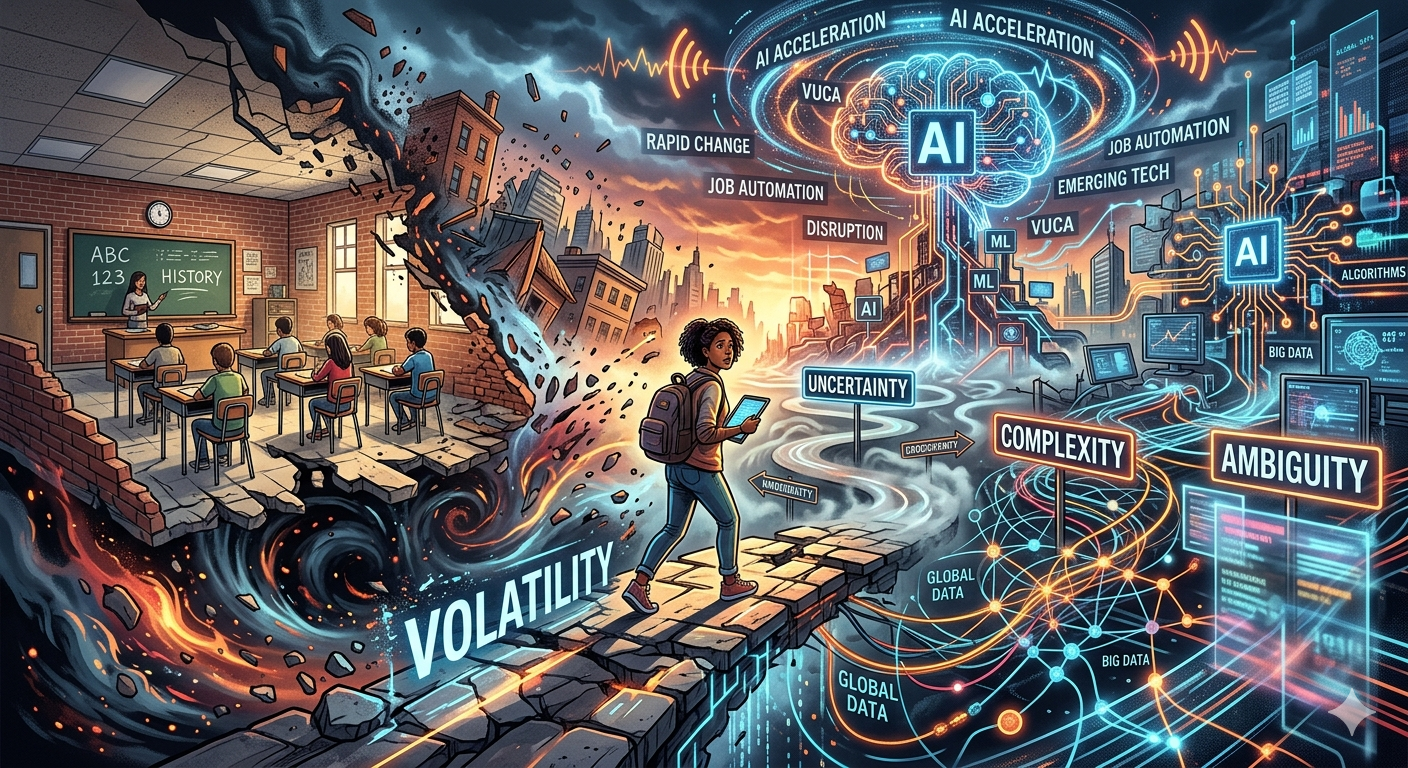
Dr. V framed it through the military/business lens of VUCA—Volatility, Uncertainty, Complexity, Ambiguity. Volatility in daily case surges and policy whiplash. Uncertainty about what “safe” even meant. Complexity in layering health, academic, social-emotional, and fiscal needs. Ambiguity when experts disagreed and data changed hourly.
We referenced Dr. Michael Osterholm’s sobering updates on school reopening, Eric Topol’s JAMA podcast insights, and a New York Times piece highlighting how reopening was “way harder than it should be.” Our conclusion? No clean answers—just the reality that leaders had to act amid chaos, communicate transparently, and adapt relentlessly.
Listening back now, in March 2026, it hits differently. VUCA didn’t end with the return to classrooms. It evolved.
Today’s education landscape still pulses with volatility: budget shortfalls from enrollment declines, teacher shortages, curriculum battles over AI enabled cheating and traditional pedagogy. Uncertainty lingers in federal policy flux, state funding formulas, and the long tail of learning recovery. Complexity multiplies with AI tools promising personalization while raising equity, privacy, and job-role questions. Ambiguity surrounds the “what now?” of post-pandemic schooling—do we double down on recovery interventions, accelerate toward future-ready skills, or both?
The episode’s core takeaway feels timeless: Leadership in VUCA isn’t about finding certainty; it’s about building capacity to thrive without it.
Three enduring lessons from that 2020 conversation that guide me today:
Embrace discomfort as the default. In 2020, we taped floors and rearranged desks for distancing. In 2026, we’re seeing AI impact everything we thought we knew about skills, knowledge requirements and preparing students for the future. The discomfort of change isn’t a bug—it’s the feature that forces innovation. Leaders who normalize adaptation build resilient teams.
Communication is oxygen. Back then, daily emails and town halls were lifelines amid fear. Now, with online rumors swirling, AI slop flooding social media and communities polarized, clear, consistent, compassionate messaging remains non-negotiable. Share what you know, own what you don’t, and invite input. Transparency builds trust when ambiguity reigns.
Act, learn, iterate—fast. We didn’t wait for perfect plans in 2020; we prototyped, failed forward, adjusted. The same mindset applies to piloting AI tutors, rethinking grading in competency-based systems, or addressing chronic absenteeism. VUCA rewards agility over perfection.
As educational leaders, we no longer get to hope for stability to return. We lead in perpetual motion. Episode 58 captured that raw moment of realization: the world won’t “go back to normal.” It demands leaders who see volatility as opportunity, uncertainty as invitation to collaborate, complexity as a call for systems thinking, and ambiguity as space for vision.
Dust off the archive if you haven’t revisited it (still free on Archive.org). The conversation hasn’t dated—it’s sharpened by time.
What’s one VUCA element dominating your district right now, and how are you turning it into momentum? Share in the comments—I’m all ears.
Dr. Andrew Schwab is a K-12 Superintendent, former Chief Technology Officer, and advocate for future-ready schools. He believes that education is the gateway to opportunity and that leadership must be human-centered and student-focused.
I was still early in my future ready schools journey, looking for a different frame for education. Daniel Pink, fresh off his bestseller To Sell Is Human (and building on the massive impact of Drive: The Surprising Truth About What Motivates Us), joined us to explore how social science research could reshape education policy and practice.
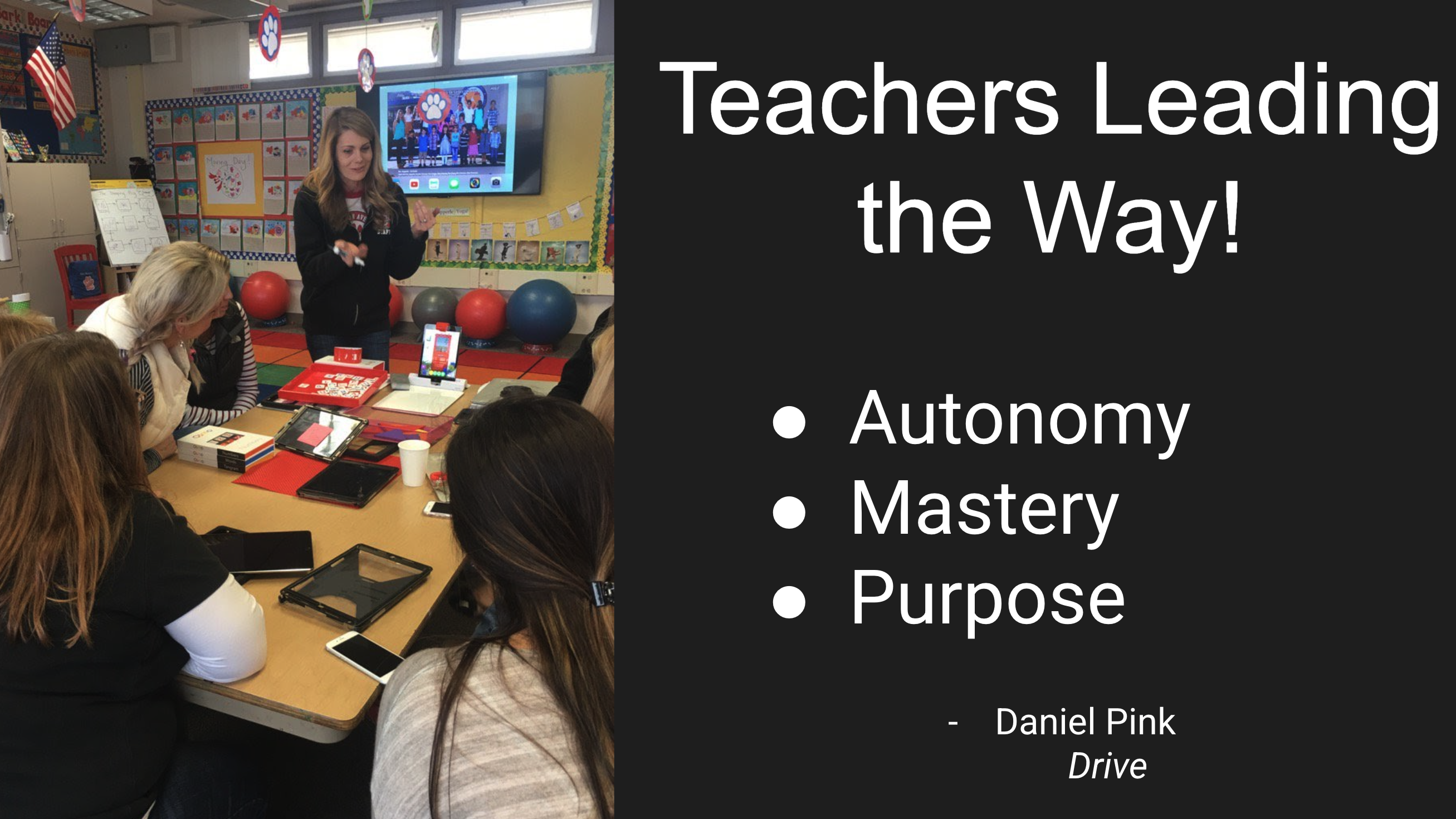
We dug into the myth of carrots-and-sticks. Pink laid out the science: extrinsic rewards (grades, points, prizes) work for routine, algorithmic tasks—but they often backfire for creative, cognitive, conceptual work. The real drivers? Autonomy (self-direction), mastery (getting better at meaningful things), and purpose (knowing the why behind the work).
In 2013, that felt like a radical call to rethink classrooms full of compliance-driven grading, standardized pacing, and top-down mandates. We talked about how “selling” ideas—persuading, influencing, moving others—was becoming a core 21st-century skill, and how educators could model that through problem-solving, empathy, and attunement rather than authority.
Fast-forward to March 2026.
The conversation holds up eerily well—maybe even better.
AI is now handling the “algorithmic” heavy lifting: personalized practice, instant feedback, content generation. What is more important than ever is the deeply human work—critical thinking, collaboration, ethical reasoning, creativity, emotional intelligence. Yet many schools still lean on extrinsic systems: point-based behavior apps, gamified platforms that mirror old reward structures, or data dashboards that reduce learning to easy to capture metrics.
Pink’s framework feels like a blueprint for what we need next:
Double down on autonomy in an AI-augmented world. Students (and teachers) crave choice. Let AI handle rote drills so humans can focus on self-directed projects, passion pursuits, and real-world problem-solving. Districts piloting competency-based pathways or student-led goal-setting are seeing engagement soar. The question isn’t “Will AI replace teachers?”—it’s “How do we use AI to free teachers and students from rote work for more autonomous, meaningful work?”
Prioritize mastery over measurement. In Drive, Pink warned against over-relying on performance metrics that crowd out intrinsic motivation. Today, with AI analytics tempting us to track every click and completion, we risk the same trap. Mastery thrives on deliberate practice, feedback, and iteration—not endless benchmarking. What if professional development mirrored that: giving educators time and autonomy to master new tools rather than mandating one-size-fits-all PD?
Infuse purpose at every level. Kids ask “Why are we learning this?” more than ever. Pink’s point about purpose as fuel rings true amid mental health challenges and relevance gaps. When students see connections to real issues—climate, equity, innovation—they show up differently. Leaders must model this too: communicate the bigger “why” of our work, especially in volatile times.
Episode 15 was one of those early markers for me—reminding us that education isn’t about compliance or competition; it’s about unleashing human potential. Pink didn’t give easy answers; he gave evidence-based provocations that still challenge us to build systems where people do their best work because they want to, not because they have to.
The episode is still free on Archive.org if you want to revisit it – HERE. Thirteen years on, the research hasn’t aged—the applications have only multiplied.
In your district or classroom, where could more autonomy, mastery, or purpose make the biggest difference right now? Share in the comments—I’m genuinely curious.
Dr. Andrew Schwab is a K-12 Superintendent, former Chief Technology Officer, and advocate for future-ready schools. He believes that education is the gateway to opportunity and that leadership must be human-centered and student-focused.
Thirteen-plus years ago—November 2012— Dr. Mike Vollmert and I launched one of the very first episodes of what would become RebootED. Episode 9: “Redefining Public Education”. It was raw, unpolished audio: just the two of us wrestling with big questions about the purpose, structure, and future of public schools.
Back then, smartphones were just becoming ubiquitous, Common Core was rolling out amid fierce debate, MOOCs were hailed as the next revolution, and “personalized learning” meant adaptive software pilots in a few forward-leaning districts. The conversation centered on shaking off industrial-era models—factory-style schedules, one-size-fits-all pacing, siloed subjects—and asking: What would public education look like if we truly redefined it for a connected, knowledge-driven world?
No guests, no fancy production—just ideas about equity, relevance, innovation, and the courage to challenge defaults. We talked about empowering teachers as designers, giving students real voice and choice, breaking down artificial barriers between subjects and real-world problems, and building systems that prepare kids not just for tests, but for lives of meaning and adaptability.
Fast-forward to March 2026.
That episode feels like a time capsule whose message has only gained urgency.
AI is now personalizing at scale in ways we could barely imagine in 2012. Hybrid and competency-based models are no longer fringe experiments. Equity gaps exposed by the pandemic persist, amplified by access divides to advanced tools. Curriculum battles rage over relevance, skills vs. content, and whose stories get told. Yet too many buildings, schedules, and policies still operate on 20th-century logic—rows of desks, bell-driven, age based fragmentation, grading as primary motivation.
The core call from Episode 9 rings louder today:
Redefinition starts with purpose, not tech. In 2012, we debated whether tech could “fix” education. Now AI can handle rote tasks, content delivery, even feedback—freeing humans for what machines can’t do: building relationships, sparking curiosity, fostering ethical reasoning, and connecting learning to purpose. But if our “why” remains compliance and standardized test scores, we’ll squander the opportunity yet again. Redefining means aligning every element—spaces, schedules, assessments—to deeper goals: agency, well-being, life-long learning.
Equity demands systemic redesign, not add-ons. Early talks highlighted access gaps; today they’re data privacy, algorithmic bias, digital redlining, and the risk of AI widening divides. True redefinition insists on systems that center on students —culturally responsive AI systems, open tools over proprietary locks, and policies ensuring every student has a pathway to mastery.
Leaders must be relentless visionaries. In 2012, “rebooting” felt aspirational. In 2026, it’s survival. Superintendents, principals, teachers—we can’t wait for permission or perfect conditions. We have to prototype, iterate, advocate, and communicate the vision daily. Small shifts compound: flexible scheduling for passion projects, cross-disciplinary challenges powered by AI co-pilots, student-led goal conferences. The question isn’t “Can we redefine?”—it’s “Why haven’t we done more?”
Episode 9 was foundational for me—a reminder that the work of public education is never “done.” It’s perpetual reimagining. The audio is free on Archive.org (“Rebooted Episode 9 Redefining Public Education” or grab the MP3 directly). No transcript, but the spirit is clear: question everything, build better, center humans.
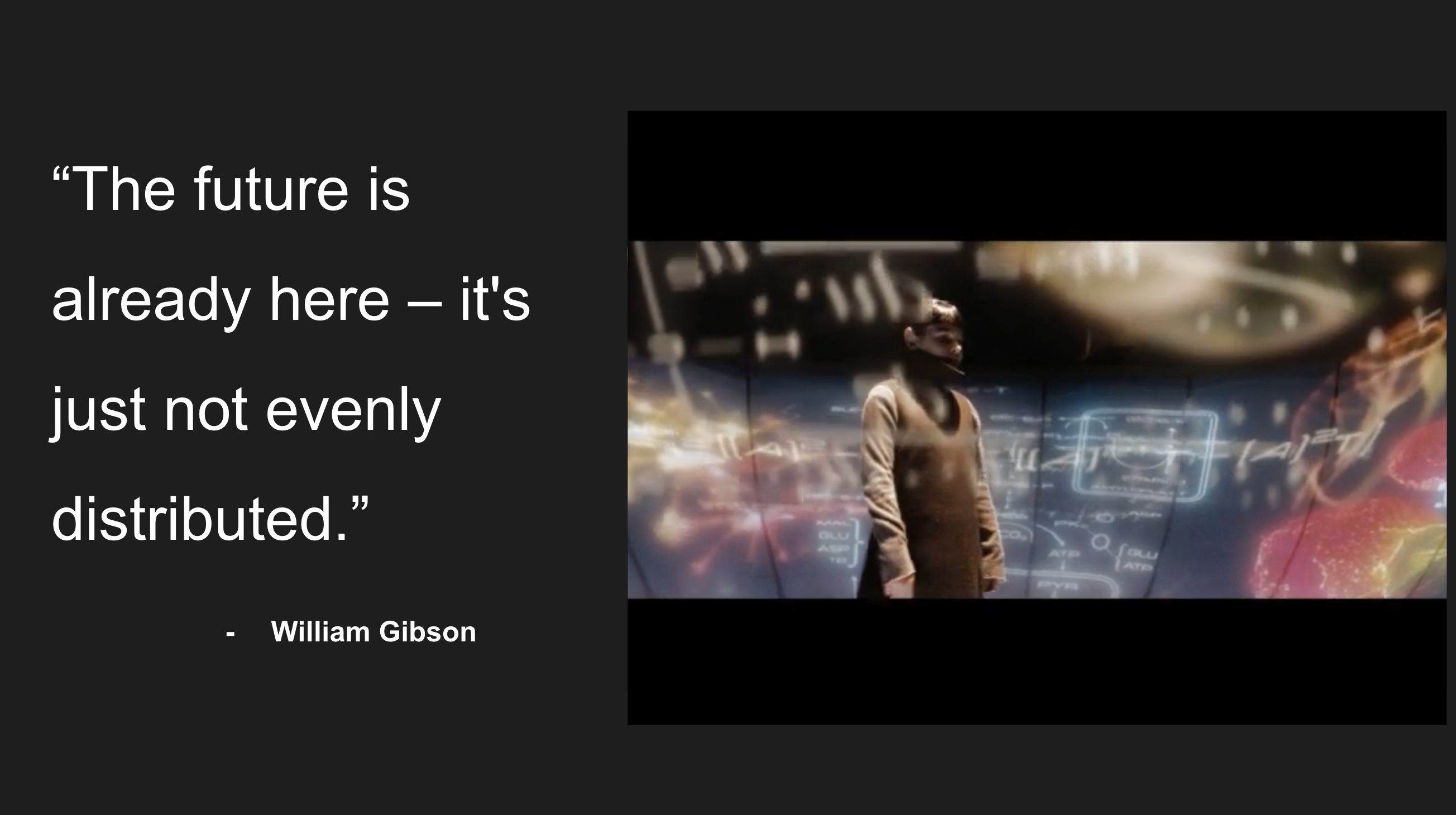
In a world accelerating faster than ever, the 2012 call to redefine isn’t dated—it’s directive. I am reminded of one possible vision of the future of school if we forget education is a profoundly Human endeavor – Spock in Vulcan school – https://www.youtube.com/watch?v=KvMxLpce3Xw]
What’s one piece of the “old” public education model your district is actively redefining right now? Share in the comments—I’m reading and inspired by the dialogue.
Dr. Andrew Schwab is a K-12 Superintendent, former Chief Technology Officer, and advocate for future-ready schools. He believes that education is the gateway to opportunity and that leadership must be human-centered and student-focused.
Instant Torque for acceleration: I had totally forgotten the delay between pressing on the accelerator and the car moving, even in my wife’s turbo’d subaru, there is no comparison – electric is instant acceleration.
One Pedal Driving: No more slowing down as soon as your foot comes off the accelerator, I have to think more about when I need to take my foot off the gas and move it to the break.
Charging at home off of solar: I hadn’t been to a gas station in over six months. This week, I had to fill up three times.
Cabin Overheat Protection: Prevents the cabin from becoming too hot, with options to use A/C or just the fan. It can be set to activate when the cabin exceeds 90°F, 95°F, or 100°F. I miss it so much now that the temps are in the 80-90’s.
Customized Driving Profile: Seat position, steering position, mirror position, who knows what else position – multiple drivers in the family, automatic settings for each profile.
Personalization When entering the car, it would anticipate where I was going based on the day, time of day and my previous habits and prompted me with navigation to the destination, all without me having to do anything.
Road Hugging: You don’t feel the weight of the car when driving it, but it sticks to the road like glue and powers through corners, thanks to the weight and low center of gravity of the battery pack.
Quiet: No engine noise, which makes the perceived road noise more noticeable, but being back in a gas car for almost a month, I’ll take road noise over engine noise+road noise every day of the week.
No Key! How much I love my phone as the key, no key fob to lose, the phone does it all and is always with me. I keep forgetting the subaru key fob, and it’s so darn big…
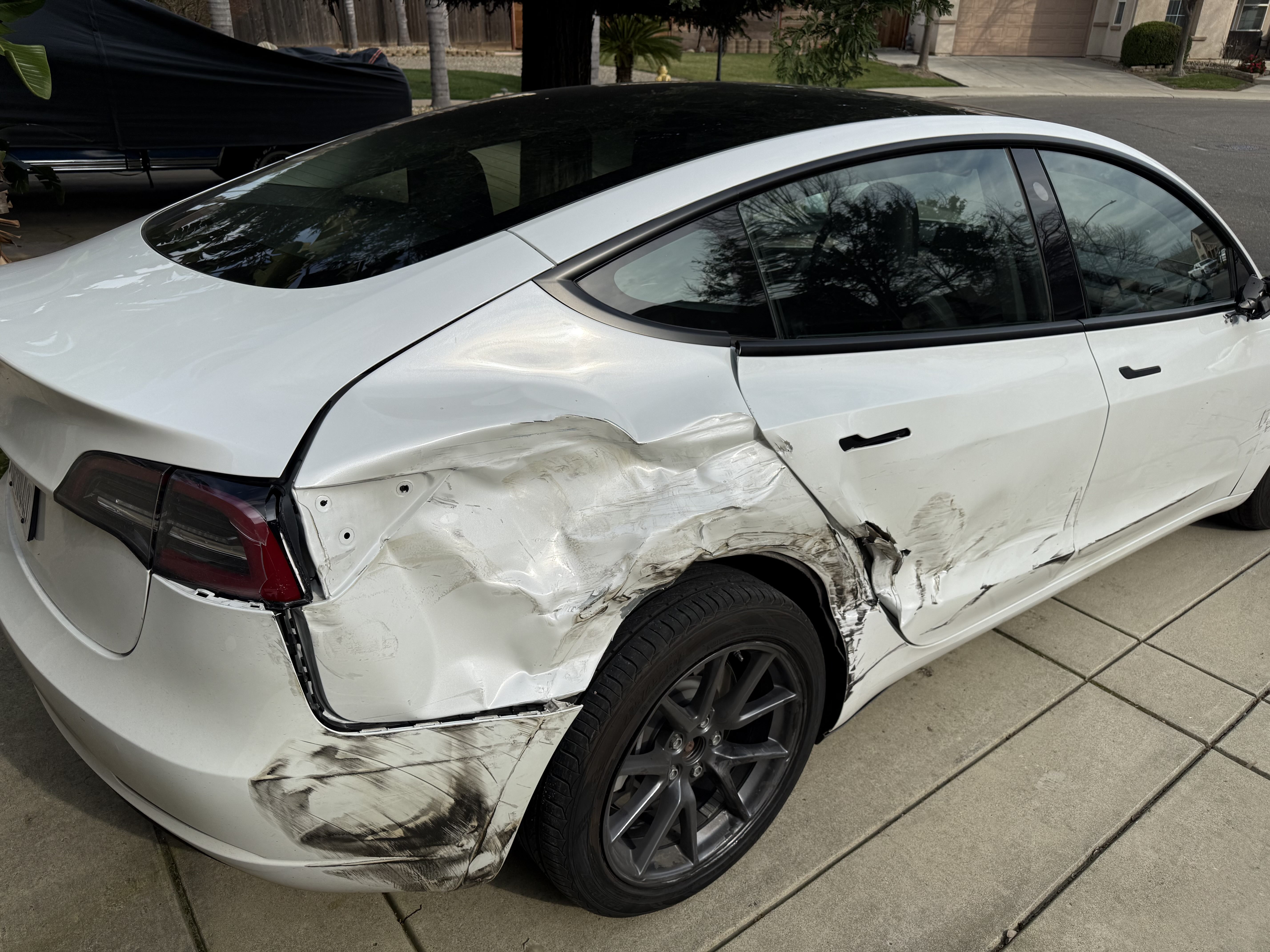
Cameras, Cameras and more Cameras: I don’t know where I would be right now without the camera system. It caught the entire hit and run from every angle. Thankfully no one was seriously injured, but when you’re on the highway and get passed on the shoulder by a big truck going very fast and they run into you and bounce off of you and you’re car doesn’t get pushed off the side of the highway into the embankment, you’re very thankful the car is heavier than a light tank and has 360′ cameras.
Unfortunately its a total loss, so I have to say goodbye to M3 and start looking for my next ride.
I originally explored this topic in a blog post I wrote back in 2015 on the challenges facing small school districts. While the tech has changed, the core principles of an effective strategy are more relevant than ever. You can read the original post here: LINK
I remember my first job in education—as the first full-time “IT Guy” for a small rural high school. The prior tech strategy? Outsource to a local tech services company and “keep those eight-year-old computers running indefinitely.”
This wasn’t just a challenge for me; it was a barrier to learning for every student and teacher.
Today, with the rise of 1:1 programs and a new focus on AI in the classroom, the demands are higher than ever. Outsourcing to a traditional IT services company simply won’t cut it. They’re business-focused and don’t understand the unique needs of a modern classroom.
The good news? The solution isn’t about bigger budgets or more complexity. It’s about a new mindset.
Here are the six pillars of a truly effective edtech strategy for small districts:
Bandwidth & Wi-Fi: Ensure you have enough bandwidth to support every student and teacher on campus. This means simple, modern wireless networks designed for multiple devices per user, not overly complex enterprise solutions.
Cloud-First Infrastructure: Move away from on-premise servers for services like email and file storage. Solutions like Google Workspace for Education (formerly Google Apps) simplify user management and provide robust, secure tools that can be managed from anywhere.
Teacher Empowerment: Give teachers full control over their devices. Locking down systems may seem easier for IT, but it becomes a barrier to dynamic, responsive teaching. Empowering educators builds trust and accelerates technology adoption.
Student Device Strategy: Ditch the static computer lab. Student devices should be mobile, personal, and available when and where they’re needed. This means a shift to 1:1 programs with Chromebooks, iPads, or other simple-to-manage devices.
Human-Centered Support: Design for self-sufficiency. This means training “techie teachers,” empowering students to be tech helpers, and leveraging a support-in-depth model that puts the power to troubleshoot and solve problems closer to the user.
Continuous Professional Development (PD): Technology is a journey, not a destination. PD should be an ongoing, collaborative process, not a one-and-one event. Encourage teachers to connect, learn from each other, and explore what’s possible.
This model is about more than just technology; it’s about disintermediating the traditional IT stack and putting the power of technology directly into the user’s hands.
It’s about vision, strategy, and a commitment to empowering your people – staff and students.
What’s one thing your school or district has done to shift its technology approach and empower educators and students?
Dr. Andrew Schwab is a K-12 Superintendent, former Chief Technology Officer, and advocate for future-ready schools. He believes that education is the gateway to opportunity and that leadership must be human-centered and student-focused.
Back in 2017, I attended the EdSurge Fusion Conference where the focus was Personalized Learning. Even then, presenters admitted we didn’t have a common definition for what that meant, but the future was certain: technology would finally disrupt education in a way no overhead projector, interactive whiteboard, or 1:1 device ever could. Clearly optimism abounds when it comes to predicting technology’s ability to disrupt 150+ years of the entrenched industrial education complex.
Fast forward to 2025, and now that future actually feels closer than ever. AI has gone from clunky search assistants to tools capable of real-time feedback, adaptive learning, and contextual understanding.
Here’s how I framed the technology revolution back in 2017—and how it still resonates:
Version 1.0: Finding answers faster than we can.
Version 2.0: Predicting what learners need before they know they need it.
Version 3.0: Giving real-time feedback and shifting instruction from teaching content to teaching strategies.
Think the Vulcan School AR/VR pod from Star Trek or an Iron Man “JARVIS for every student”. Learning becomes personalized, contextual, and available anytime, anywhere.
The convergence of AI + Natural Language Processing + Big Data + ubiquitous student access isn’t theoretical anymore, it’s happening now and it’s happening faster than the Internet or web 2.0 ever did.
After re-reading my original 2017 post (read it here), it’s striking how much of that vision might actually become reality.
👉 So, 8 years later how should schools, leaders, and communities prepare for AI as a teaching partner—not just another tech tool bolted on to the old industrial model of education?
Dr. Andrew Schwab is a K-12 Superintendent, former Chief Technology Officer, and advocate for future-ready schools. He believes that education is the gateway to opportunity and that leadership must be human-centered and student-focused.