Thirteen-plus years ago—November 2012— Dr. Mike Vollmert and I launched one of the very first episodes of what would become RebootED. Episode 9: “Redefining Public Education”. It was raw, unpolished audio: just the two of us wrestling with big questions about the purpose, structure, and future of public schools.
Back then, smartphones were just becoming ubiquitous, Common Core was rolling out amid fierce debate, MOOCs were hailed as the next revolution, and “personalized learning” meant adaptive software pilots in a few forward-leaning districts. The conversation centered on shaking off industrial-era models—factory-style schedules, one-size-fits-all pacing, siloed subjects—and asking: What would public education look like if we truly redefined it for a connected, knowledge-driven world?
No guests, no fancy production—just ideas about equity, relevance, innovation, and the courage to challenge defaults. We talked about empowering teachers as designers, giving students real voice and choice, breaking down artificial barriers between subjects and real-world problems, and building systems that prepare kids not just for tests, but for lives of meaning and adaptability.
Fast-forward to March 2026.
That episode feels like a time capsule whose message has only gained urgency.
AI is now personalizing at scale in ways we could barely imagine in 2012. Hybrid and competency-based models are no longer fringe experiments. Equity gaps exposed by the pandemic persist, amplified by access divides to advanced tools. Curriculum battles rage over relevance, skills vs. content, and whose stories get told. Yet too many buildings, schedules, and policies still operate on 20th-century logic—rows of desks, bell-driven, age based fragmentation, grading as primary motivation.
The core call from Episode 9 rings louder today:
- Redefinition starts with purpose, not tech. In 2012, we debated whether tech could “fix” education. Now AI can handle rote tasks, content delivery, even feedback—freeing humans for what machines can’t do: building relationships, sparking curiosity, fostering ethical reasoning, and connecting learning to purpose. But if our “why” remains compliance and standardized test scores, we’ll squander the opportunity yet again. Redefining means aligning every element—spaces, schedules, assessments—to deeper goals: agency, well-being, life-long learning.
- Equity demands systemic redesign, not add-ons. Early talks highlighted access gaps; today they’re data privacy, algorithmic bias, digital redlining, and the risk of AI widening divides. True redefinition insists on systems that center on students —culturally responsive AI systems, open tools over proprietary locks, and policies ensuring every student has a pathway to mastery.
- Leaders must be relentless visionaries. In 2012, “rebooting” felt aspirational. In 2026, it’s survival. Superintendents, principals, teachers—we can’t wait for permission or perfect conditions. We have to prototype, iterate, advocate, and communicate the vision daily. Small shifts compound: flexible scheduling for passion projects, cross-disciplinary challenges powered by AI co-pilots, student-led goal conferences. The question isn’t “Can we redefine?”—it’s “Why haven’t we done more?”
Episode 9 was foundational for me—a reminder that the work of public education is never “done.” It’s perpetual reimagining. The audio is free on Archive.org (“Rebooted Episode 9 Redefining Public Education” or grab the MP3 directly). No transcript, but the spirit is clear: question everything, build better, center humans.
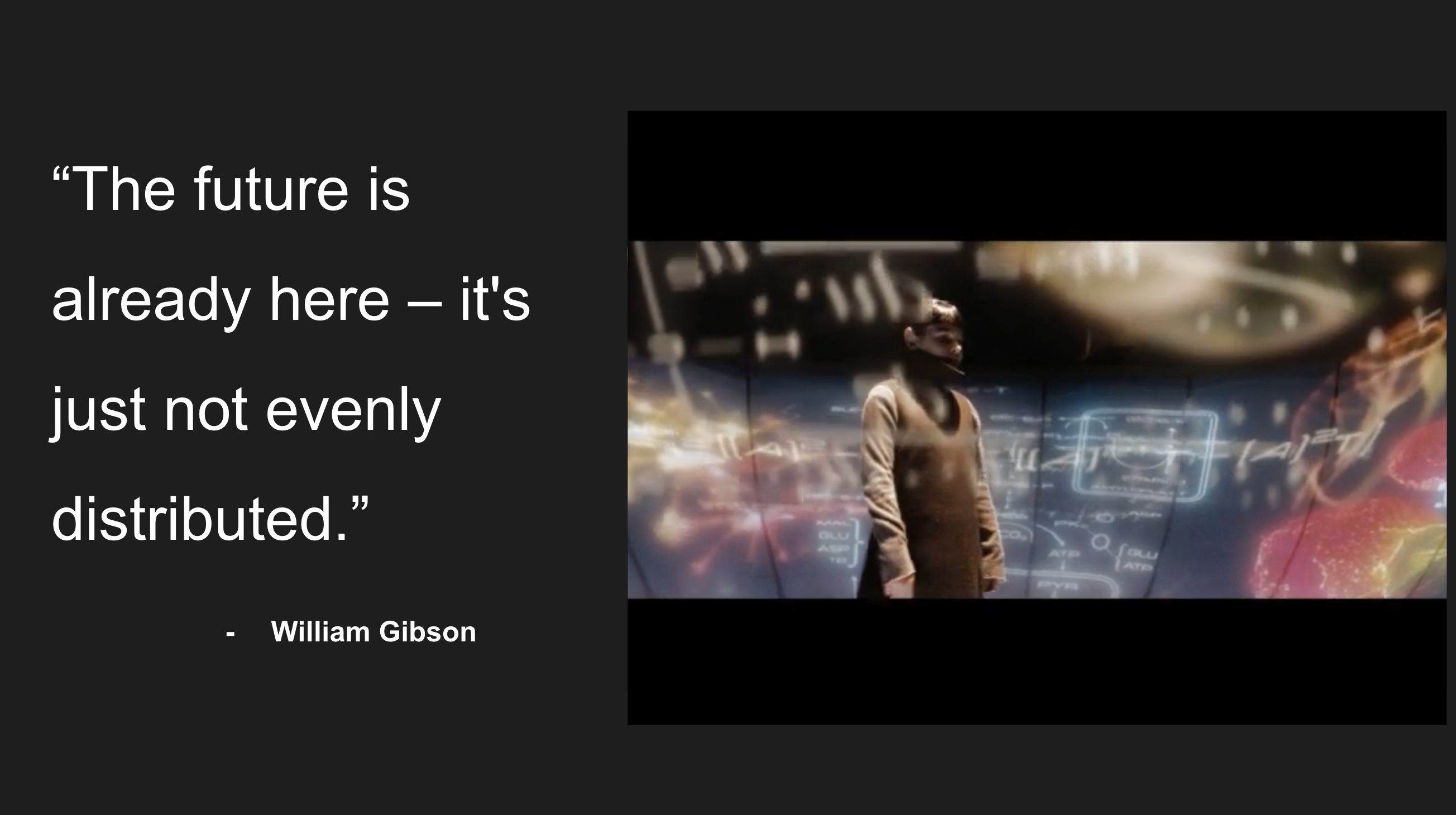
In a world accelerating faster than ever, the 2012 call to redefine isn’t dated—it’s directive. I am reminded of one possible vision of the future of school if we forget education is a profoundly Human endeavor – Spock in Vulcan school – https://www.youtube.com/watch?v=KvMxLpce3Xw]
What’s one piece of the “old” public education model your district is actively redefining right now? Share in the comments—I’m reading and inspired by the dialogue.
#EducationReform #FutureOfLearning #Leadership #K12Innovation #PublicEducation #AIinEducation #RebootED
Dr. Andrew Schwab is a K-12 Superintendent, former Chief Technology Officer, and advocate for future-ready schools. He believes that education is the gateway to opportunity and that leadership must be human-centered and student-focused.
 There is no box
Leave a comment