What Education Forgot from the Internet age and What It Can’t Miss Again
The rise of AI in education is today’s hottest headline. From adaptive platforms to AI tutors and generative content tools, it feels like another “revolution” in learning is upon us. But before we throw ourselves into the next big thing, it’s worth pausing to reflect: What did we learn from the last 20 years of educational technology? And what must we get right this time?
As someone who has implemented 1:1 programs, rebuilt entire IT infrastructures around learning, and navigated multiple Google Apps migrations over the years, I’ve seen edtech trends come and go. Many promised transformation, few delivered.
Here are five critical insights from the past that should shape how we lead in the AI present:
1. Hype Isn’t Implementation
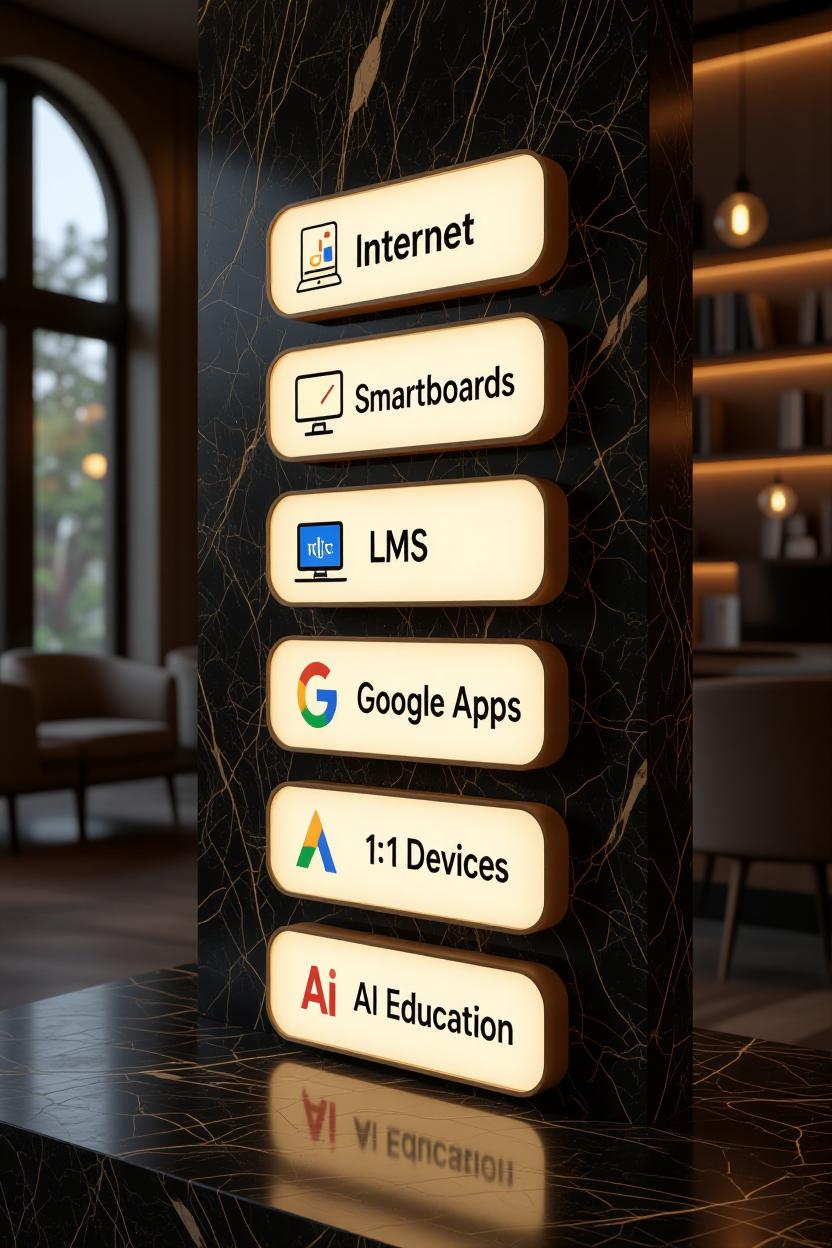
1:1 devices were going to change everything. So were smartboards. And LMS platforms. And Google search. Each wave came with a surge of vendor promises and a steep learning curve for teachers. The lesson? No technology, AI included, works without intentional leadership, sustained PD, and alignment with actual instructional goals.
2. Tech Adoption Must Be Human-Centered
We asked teachers (and students) to learn new tech tools during the pandemic. For many this was overwhelming. AI tools may save time or provide personalized instruction, but if they aren’t simple, transparent, and trustworthy, they will be quickly abandoned. Design for people first, features second.
3. Automation Can’t Replace Connection
AI might write a quiz or provide real time feedback, but it cannot replace the empathy, nuance, or relationship of a master teacher in the classroom. Just as past efforts to script instruction failed to scale good teaching, efforts to automate it will miss the mark unless guided by human wisdom.
4. Infrastructure, Infrastructure, Infrastructure
No matter how intelligent the algorithm, it’s useless if the WiFi is down. Investment in robust, equitable infrastructure is the foundation of any AI-enhanced future. Devices, broadband, and security are not optional, they are a basic necessity.
5. Equity Is the Metric That Matters
Like previous edtech waves, AI could deepen digital divides if issues like access, training, and thoughtful integration aren’t prioritized. We must avoid compounding systems of haves and have nots where affluent districts get AI copilots and underserved schools get AI compliance bots.
So What Now?
AI is not a silver bullet to all of education’s woes. The goal should not be an AI-powered classroom. It should be a student-powered future. We’ve been down this road before. Let’s bring the lessons forward for the future.
How will this time be different?
Dr. Andrew Schwab is a K-12 Superintendent, former Chief Technology Officer, and advocate for future-ready schools. He believes that education is the gateway to opportunity and that leadership must be human-centered and student-focused.

 There is no box
Leave a comment